
Motorbikes have undergone a remarkable transformation over the years, evolving from simple mechanical machines into sophisticated, technology-driven vehicles. This evolution has not only improved performance but also reshaped the overall riding experience. Today’s motorbikes offer a blend of power, safety, comfort, and connectivity that reflects the rapid advancements in engineering and design.
Early Beginnings Of Motorbike Engineering
In their early days, motorbikes were built with basic mechanical components and limited features. The focus was primarily on functionality rather than comfort or safety. Riders relied heavily on their skills to manage speed, balance, and braking, as there were minimal technological aids available.
These early machines laid the foundation for modern motorbikes. While they lacked refinement, they introduced the concept of personal motorised transport, which would later evolve into a global phenomenon. Exploring advanced motorcycles at Procycles Hornsby allows riders to experience firsthand how modern technology has transformed performance, safety, and the overall riding experience.
Advancements In Engine Technology
One of the most significant areas of development in motorbikes has been engine technology. Early engines were simple and often inefficient, but modern engines are designed to deliver higher power with improved fuel efficiency.
Innovations such as fuel injection systems, variable valve timing, and improved cooling mechanisms have transformed how engines perform. These advancements allow riders to enjoy smoother acceleration, better throttle response, and more reliable performance. The result is a riding experience that feels both powerful and controlled.
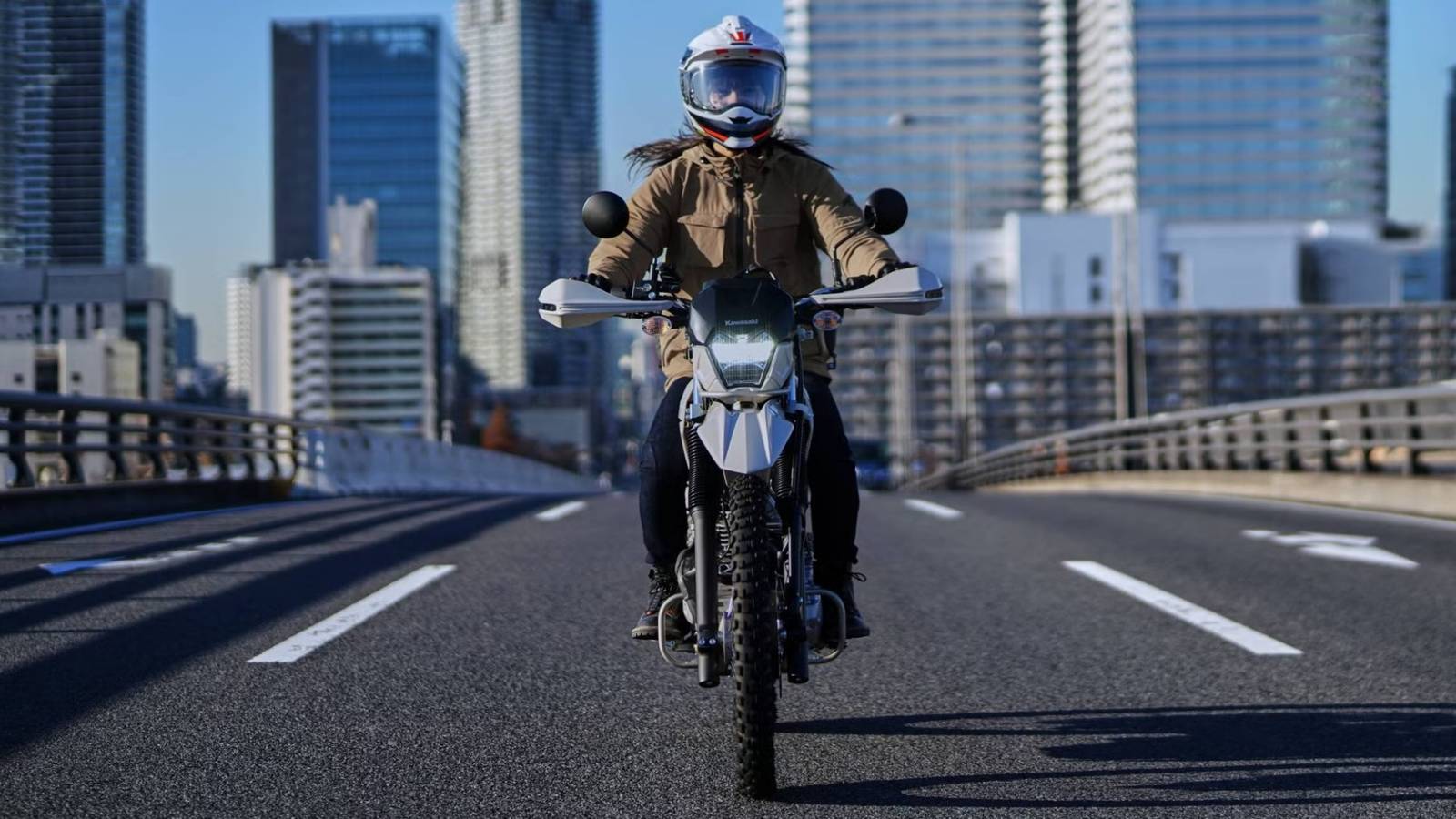
The Rise Of Electronic Systems
The introduction of electronic systems has been a game-changer in motorbike technology. Features such as anti-lock braking systems, traction control, and electronic stability programs have significantly improved safety.
These systems help riders maintain control in challenging conditions, reducing the risk of accidents. Riding modes have also become common, allowing riders to adjust performance settings based on road conditions or personal preferences. This level of customisation enhances both safety and enjoyment.
Improved Suspension And Handling
Handling has always been a critical aspect of motorbike performance. Modern motorbikes are equipped with advanced suspension systems that adapt to different road conditions. These systems provide better shock absorption and improved stability, ensuring a smoother ride.
Lightweight frames and optimised weight distribution further enhance handling. Riders can navigate corners with greater precision and confidence, making the overall experience more dynamic and engaging.
Comfort And Ergonomics
As motorbike technology has evolved, greater emphasis has been placed on rider comfort. Early models often lacked ergonomic design, leading to fatigue during long rides. Today, manufacturers focus on creating comfortable seating positions, adjustable components, and features that reduce strain.
Touring motorbikes, in particular, are designed for long-distance travel, offering features such as cruise control, heated grips, and wind protection. These improvements make riding more enjoyable and accessible to a wider range of people.
Digital Displays And Connectivity
Modern motorbikes now include digital displays that provide clear and detailed information. Riders can access speed, fuel levels, navigation, and performance data through intuitive interfaces. This enhances awareness and allows for better decision-making while riding.
Connectivity features have also become more common, enabling integration with smartphones. Riders can access calls, music, and navigation without distraction, adding convenience to the riding experience.
Safety Innovations
Safety has seen major improvements with the integration of advanced technologies. In addition to braking and traction systems, features such as cornering ABS and adaptive headlights have been introduced. These innovations improve visibility and control, especially in challenging conditions.
Protective gear has also evolved alongside motorbike technology, offering better impact resistance and comfort. Together, these advancements contribute to a safer riding environment.
The Shift Toward Sustainability
As environmental concerns grow, the motorbike industry is moving toward more sustainable solutions. Electric motorbikes are becoming increasingly popular, offering reduced emissions and lower operating costs. These bikes provide a quieter and more environmentally friendly alternative to traditional models.
Manufacturers are also looking into new materials and technologies to increase efficiency and reduce environmental impact. This shift demonstrates a greater commitment to sustainable mobility.
Enhancing The Emotional Connection
While technology has transformed motorbikes, the emotional connection between rider and machine remains at the heart of the experience. Modern advancements enhance this connection by making riding more intuitive and enjoyable.
Features such as responsive engines, advanced sound engineering, and customisable settings allow riders to tailor their experience. This personalisation adds to the sense of freedom and excitement that motorbikes offer.

The Future Of Motorbike Technology
The future of motorbike technology promises even greater innovation. Developments in artificial intelligence, advanced connectivity, and smart safety systems are expected to further enhance performance and convenience.
Autonomous features, improved battery technology, and enhanced rider assistance systems may redefine how motorbikes are used. Despite these changes, the core appeal of motorcycling will continue to revolve around freedom, adventure, and personal expression.
Conclusion
The evolution of motorbike technology has transformed the way people ride and experience these machines. From basic mechanical designs to advanced, feature-rich models, motorbikes have come a long way. Today’s motorbikes offer a perfect blend of performance, safety, and comfort, making them more accessible and enjoyable than ever before. As technology continues to advance, the riding experience will only become more refined, ensuring that motorbikes remain a timeless and exciting form of transportation.