
Accidents and medical emergencies rarely come with warnings. A simple slip in the kitchen, a child choking during dinner, or a colleague collapsing at work can happen in seconds. In those critical moments, the difference between panic and purposeful action often comes down to one thing: basic first aid knowledge. Just like learning to read, drive, or use a phone, knowing how to respond to an emergency should be viewed as a core life skill rather than an optional extra.
Emergencies Happen in Everyday Places
Most people associate emergencies with dramatic situations, but reality is different. Many incidents occur at home, in offices, at schools, or during routine activities. Cuts, burns, fainting, allergic reactions, and falls are far more common than people think. Without proper knowledge, small issues can quickly turn serious. A person who has completed first aid training townsville is more likely to recognise warning signs early and provide immediate help before professional responders arrive.
The first few minutes after an injury or health crisis are often the most important. Quick and correct action can reduce complications, ease pain, and sometimes even save a life. Waiting helplessly or making uninformed decisions can make the situation worse. This is why first aid is not just for healthcare workers. It is practical knowledge that ordinary people use in real life.
Confidence Makes a Critical Difference
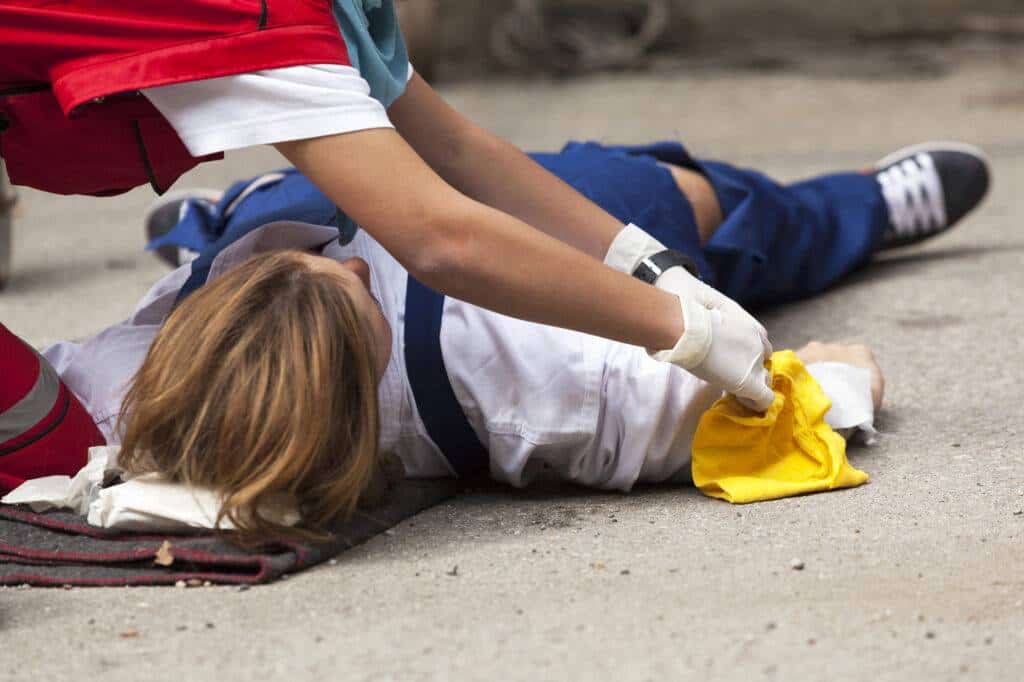
One of the biggest barriers during emergencies is fear. Many people freeze because they are unsure what to do or worry about making mistakes. Proper instruction replaces hesitation with confidence. When someone understands how to assess a situation, check breathing, control bleeding, or support someone who feels dizzy, they act with more clarity and less panic.
A structured first aid certification course townsville gives individuals hands on experience in handling simulated emergencies. This practical exposure helps people stay calmer under pressure. Instead of feeling overwhelmed, they follow clear steps they have already practised. Confidence does not remove the seriousness of a situation, but it allows people to focus on helping rather than worrying.
This confidence also spreads to others. When bystanders see someone taking control in a calm and informed way, it reassures everyone present. A steady voice and clear actions can bring order to an otherwise chaotic moment.
Protecting Family, Friends, and Colleagues
First aid knowledge often benefits the people closest to us. Kids are usually active and can get hurt easily. Over 65s may have rapid health problems like falling or getting dizzy. At work, colleagues might experience medical conditions that require immediate attention. Being trained means you can step in without delay.
Enrolling in first aid courses townsville helps people feel prepared not only in public spaces but also in their own homes. Knowing how to manage choking, respond to burns, or assist someone who has fainted adds a layer of safety to everyday life. It transforms you from a bystander into a capable responder.
A Responsibility in Modern Communities
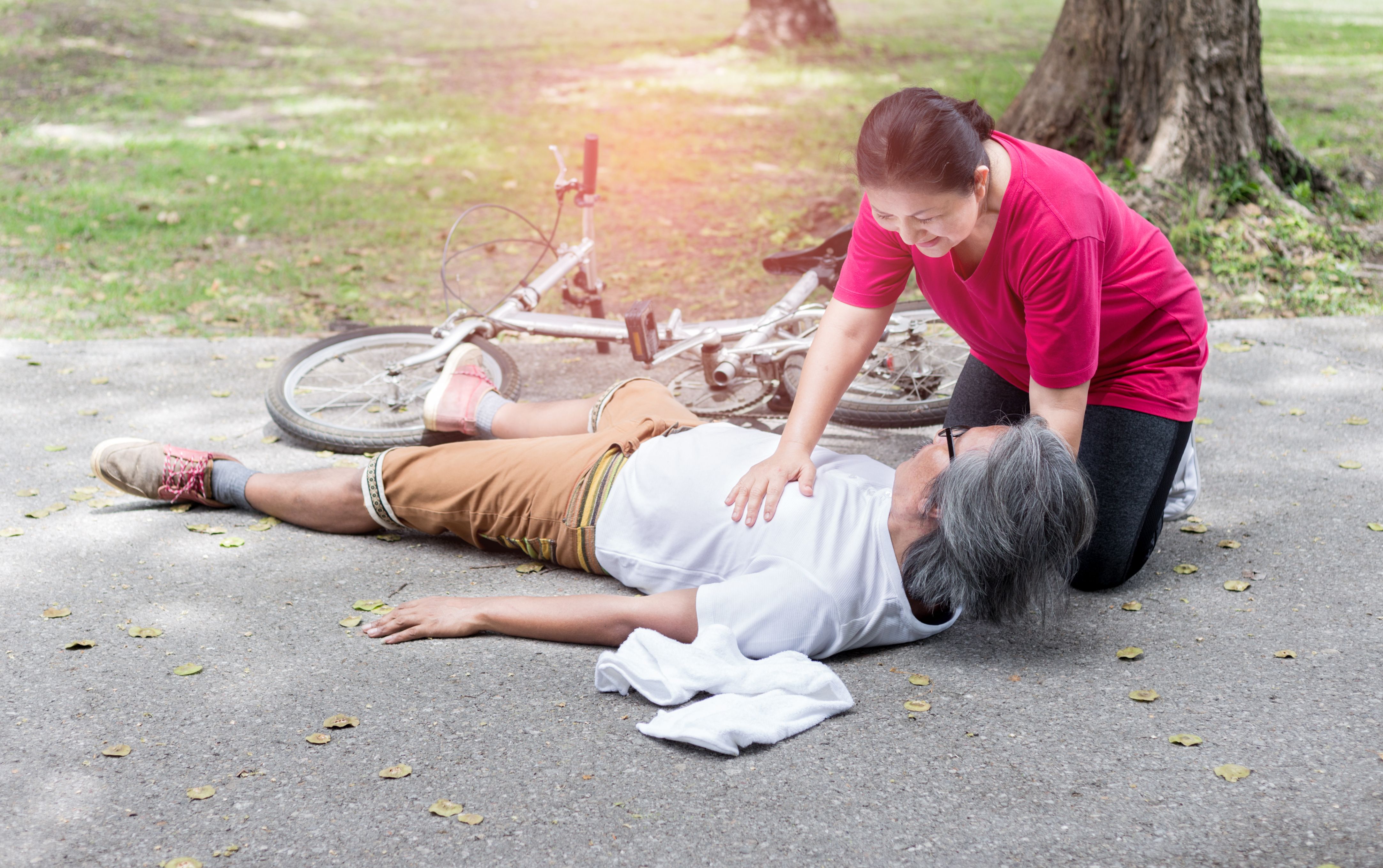
Communities become safer when more individuals have first aid skills. Emergencies do not wait for professionals to arrive. The actions taken in those first moments often shape the outcome. Being aware that everyone can help make the world a better place by learning first aid as a life skill.
Learning first aid is not about expecting the worst. It is about being prepared for the unexpected. Just as we teach children road safety and basic hygiene, we should encourage people of all ages to learn how to respond when someone is hurt or unwell. Making first aid knowledge common and accessible builds stronger, more resilient communities where people look out for one another.